


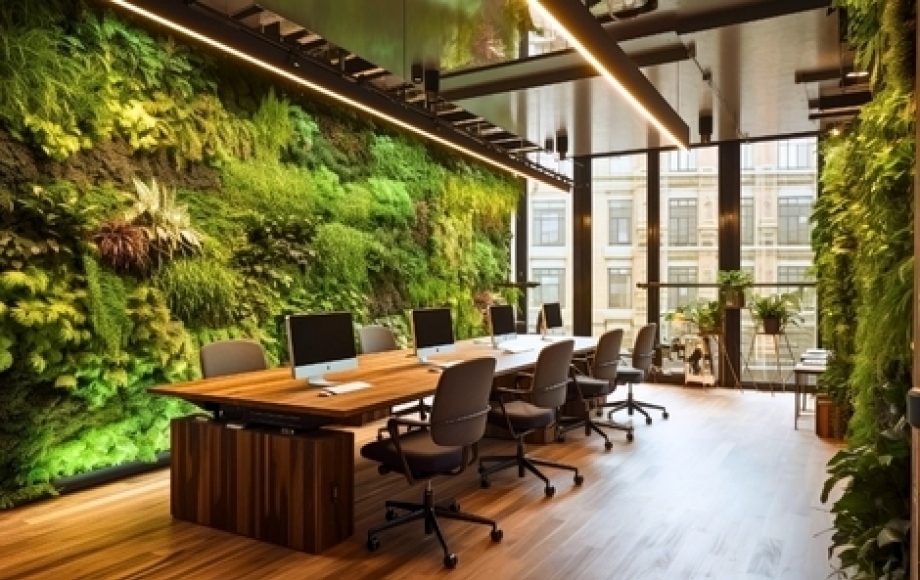
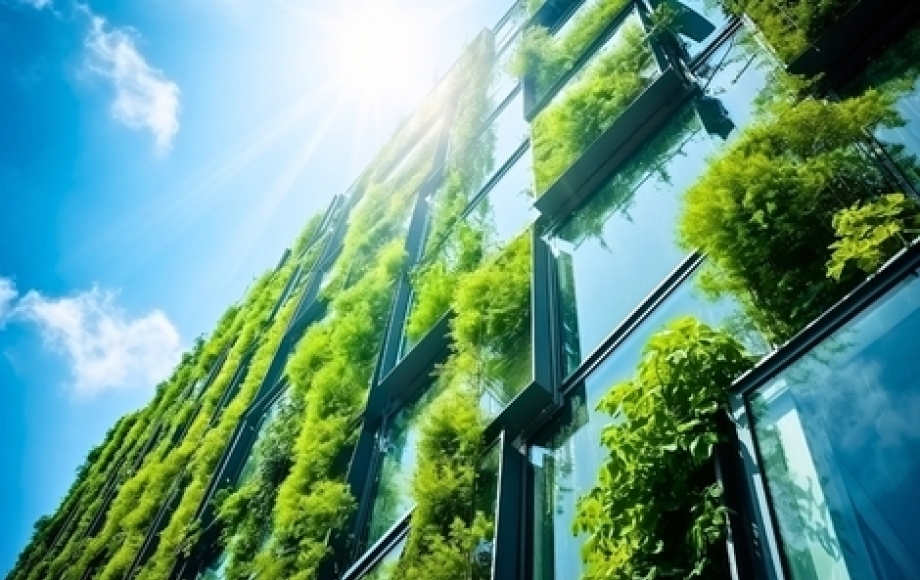
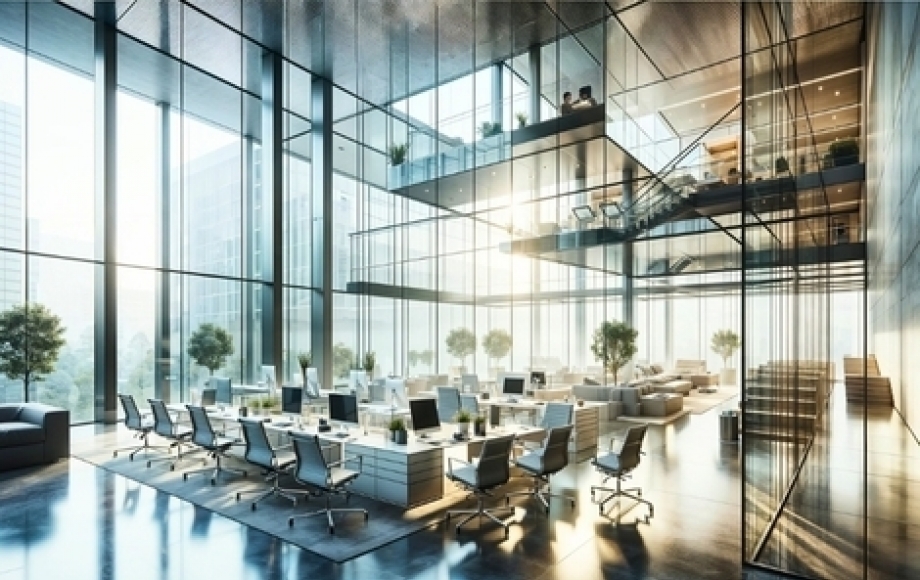
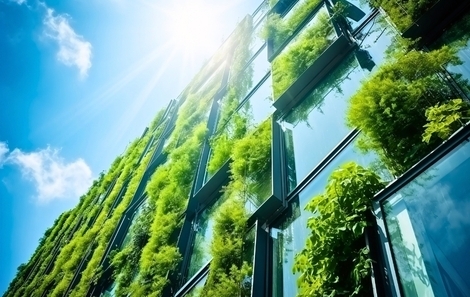
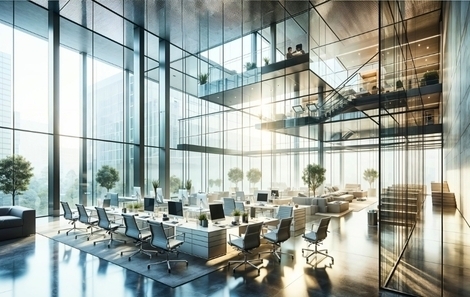
Walking into Grade A office buildings in Central, Admiralty or Taikoo Place in Hong Kong, it is easy to observe current workplace design trends: green walls, ample natural daylight and warm timber elements have become standard features of modern office spaces.
This design shift is driven not only by aesthetic considerations, but also reflects strategic corporate decisions under the ESG (Environmental, Social and Governance) framework. For organisations planning office fit-outs, relocations or refurbishments, the adoption of sustainable materials is no longer merely an ethical choice— it is a business strategy with clearly measurable returns on investment.
From Cost-Driven to Value-Driven: The Evolution of Fit-out Decisions in a Changing Business Environment
Traditional office fit-out concepts focused primarily on "reasonable pricing, visual appeal, and fast project delivery." However, as the business environment evolves, corporate decision-making in office design has undergone a fundamental shift, driven mainly by the following two factors:
(1) Intensifying Competition for Talent
As younger generations of employees (post-90s and post-00s) become the dominant workforce, workplace quality has emerged as a key factor in career decision-making. Offices affected by formaldehyde odours, insufficient lighting, or poor ventilation struggle to retain talent — even with competitive compensation packages. In contrast, healthy workplaces with international certifications (such as LEED or WELL) often prove more attractive to top talent than salary increases alone.
(2) Rising Corporate Image and Compliance Requirements
For large enterprises and listed companies, increasingly stringent ESG requirements have become an unavoidable operational consideration. Quantifiable indicators — such as the proportion of recycled materials used or emission reductions achieved through energy-efficient systems —not only support regulatory compliance and disclosure obligations, but also enhance corporate social responsibility credentials, strengthening confidence among investors and clients.
Professional Insights into Sustainable Fit-out Materials: Breaking the Myths of Cost and Design Limitations
There is a common market misconception that sustainable building materials are synonymous with "high costs" or "limited design flexibility." In reality, as technology continues to mature, modern sustainable materials have made significant breakthroughs in both performance and aesthetics — redefining value standards in office fit-outs.
- Outstanding Durability
The outdated perception that eco-friendly timber lacks structural strength no longer applies. New-generation high-pressure, moisture-resistant, and anti-pest panels often match or even outperform traditional solid wood in stability and lifespan. These materials are particularly suitable for Hong Kong's humid, mould-prone climate. From a long-term perspective, their durability helps reduce maintenance and replacement costs.
- Aesthetics and Design Excellence
The refined ambience of high-end office spaces increasingly stems from innovative applications of sustainable materials. Examples include carpets made from recycled fishing nets and acoustic panels manufactured from agricultural waste. These materials offer distinctive textures and refined finishes while subtly conveying a company's commitment to sustainability — reinforcing brand identity and corporate culture.
Professional Guide to Selecting Sustainable Office Fit-out Materials: A Systematic, End-to-End Approach
Based on BPS Global's project experience, the following sustainable materials demonstrate both high adoption rates and tangible benefits in office fit-outs:
- Epoxy Flooring
Epoxy flooring has evolved beyond industrial applications and is now widely used in office pantries, server rooms, and open-plan workspaces. Compared with traditional carpeting, its exceptional durability eliminates frequent replacement, significantly reducing construction waste. When water-based or solvent-free epoxy coatings are used, VOC (volatile organic compound) emissions are close to zero. Its seamless surface also simplifies cleaning and maintenance, delivering long-term savings on cleaning costs. - Low-VOC Paints and Adhesives
Odours in newly renovated spaces primarily result from formaldehyde and VOC emissions. Selecting low-VOC or solvent-free products that meet international standards significantly improves indoor air quality and shortens the ventilation period. Offices can typically be occupied within one to two weeks after project completion—each day of earlier occupancy directly translates into rental cost savings. - Smart Lighting Systems
LED lighting combined with motion sensors and daylight-responsive controls may appear to be a secondary feature, yet it can reduce electricity consumption by 20–30%. The key lies in planning during the fit-out stage—pre-installed wiring and precise luminaire positioning help avoid costly retrofits. This upfront investment is usually recouped within one to two years through energy savings.
Return on Investment Analysis for Sustainable Office Fit-outs
Cost remains a central consideration in corporate decision-making. It is true that the initial procurement cost of high-quality sustainable materials may be approximately 10–15% higher than that of conventional materials. When assessed solely on upfront pricing, this appears to be an added expense. However, when evaluated over a typical 3–5 year lease cycle, sustainable fit-outs prove to be a high-return strategic investment:
- Optimised Maintenance Costs
Highly durable materials significantly reduce maintenance frequency, technician call-outs, and associated expenses. - Improved Energy Efficiency
Well-insulated curtain walls and wall structures reduce the load on air-conditioning systems. In Hong Kong—where electricity costs are relatively high—the resulting energy savings are particularly substantial.
For example, a recent office refurbishment project in Wan Chai for an international financial institution served by Vantage Global Group incorporated low-VOC materials, smart lighting systems, and high-performance insulated curtain walls. Within one year of completion, overall energy consumption dropped by 22%, while employee satisfaction survey scores for "office comfort" increased by 37%.
Intangible Asset Value Creation
Benefits such as reduced sick leave, improved focus, and enhanced productivity may be difficult to quantify immediately, but they have a profound long-term impact on corporate competitiveness and sustainable growth.
Office fit-outs go far beyond wall finishes and furniture selection — they are a core expression of corporate culture and a central element of employees' daily experience. As a professional engineering and construction services provider, BPS Global Group specialises in achieving a precise balance between budget control, aesthetic aspirations, and sustainability standards.
Take Action Now: Set a New Standard for Green Offices
We currently offer a complimentary preliminary ESG fit-out assessment to help quantify potential energy savings and improvements in employee experience. Contact BPS Global Group's professional team today to receive a tailored solution designed specifically for your organisation.